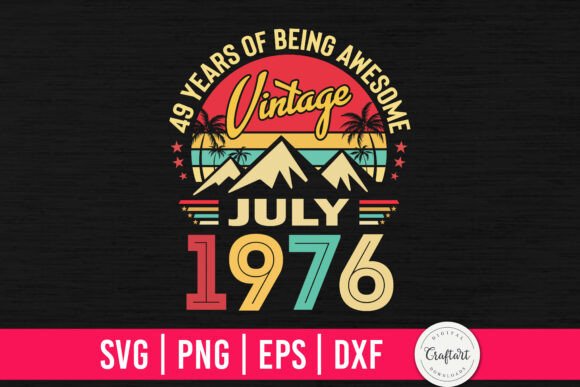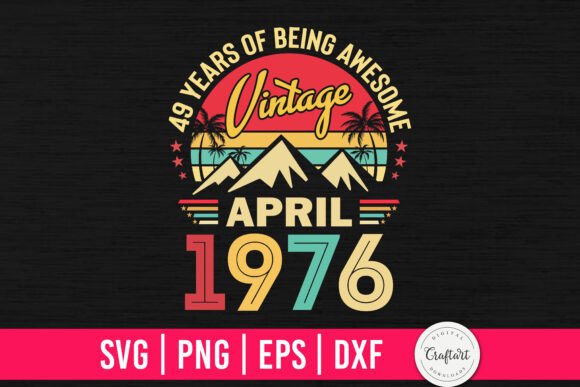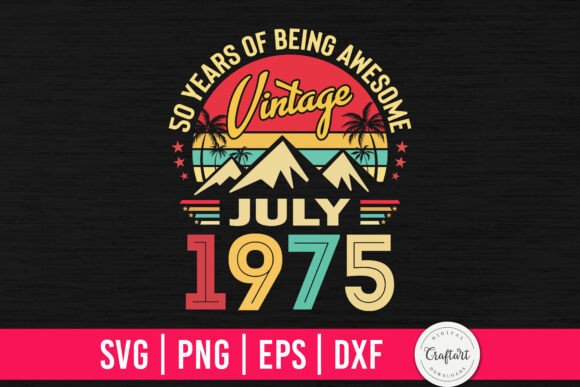
Vintage 1975 July 50th Birthday Graphics Crafts
The Vintage 1975 July 50th Birthday graphic design asset immediately catches the eye with its nostalgic charm and timeless appeal. This digital file, available in SVG, PNG, DXF, and EPS formats, offers a versatile foundation for creative projects across multiple platforms. Its vintage aesthetic blends seamlessly into editorial design, making it ideal for content that requires a warm, retro feel without sacrificing modern usability.
First Impressions: A Nostalgic Editorial Mood
Upon first glance, the Vintage 1975 July 50th Birthday design exudes a lifestyle-focused, playful energy. The color palette and typography suggest a blend of artistic flair and historical reference, perfect for content niches like birthday celebrations, vintage themes, or personal milestones. It feels at home in creative markets, offering a visual identity that is both engaging and professional.
This design asset supports content that needs to feel authentic and expressive. Whether used in blog graphics, social media visuals, or digital guides, it adds a layer of personality that resonates with audiences looking for something unique and heartfelt.
Real Publishing Use Cases
The versatility of the Vintage 1975 July 50th Birthday graphic design asset makes it valuable for a wide range of publishing tasks. As a blog featured image, it can serve as a compelling visual anchor that draws readers in. For Pinterest pins, its retro style stands out among more modern designs, increasing engagement and click-through rates.
It also works well as an article header or website banner, offering a strong visual identity that aligns with the content's theme. In editorial layouts, it can act as a subtle accent, reinforcing the narrative without overwhelming the reader. For newsletter graphics, it adds a touch of elegance that enhances the overall look and feel of the email.
As a lead magnet or downloadable printable, the Vintage 1975 July 50th Birthday design can be repurposed into worksheets, guides, or digital products that users find valuable. It also functions as a Canva template, allowing creators to customize it quickly for various projects.
Supporting Content Performance
Using the Vintage 1975 July 50th Birthday design asset can significantly improve content performance. Its strong visual hierarchy ensures that key messages stand out, helping to guide the reader’s eye through the page. This clarity increases the likelihood of higher click-through rates and deeper engagement.
Consistent branding is another benefit. By incorporating this design into multiple content pieces, publishers can create a cohesive visual identity that builds trust with their audience. It also enhances category recognition, making it easier for readers to identify and navigate related content.
The design contributes to a more professional-looking content page, which can improve reader perception and encourage repeat visits. Its ability to support both digital and print formats further expands its utility across different publishing channels.
Where It Works Best
The Vintage 1975 July 50th Birthday design shines in hero images, article thumbnails, and Pinterest pins where a bold, recognizable visual is needed. It also excels as a blog graphic or editorial accent, adding depth and interest to otherwise simple layouts.
For content upgrades or downloadable resources, this design can elevate the perceived value of the material, making it more appealing to users. It also serves as an effective newsletter header, setting the tone for the content within.
As a social media preview, it captures attention and encourages clicks, especially on platforms where visual storytelling is key. Its adaptability makes it a go-to choice for publishers looking to enhance their visual strategy without overcomplicating their workflow.
Where to Use Carefully
While the Vintage 1975 July 50th Birthday design is highly versatile, it may not be suitable for every context. On small mobile thumbnails, its intricate details could become lost, reducing its effectiveness. In text-heavy blog images, it might distract from the primary message rather than complement it.
On low-contrast backgrounds or in busy layouts, the design may not stand out as intended. For serious professional niches or corporate content, its decorative elements might feel out of place. Similarly, websites with a very minimal visual system may find it too ornate or inconsistent with their brand.
It’s important to consider the target audience and platform when deciding where to use this design. Testing it in real-world scenarios will help determine its optimal placement and impact.
Publisher Notes: Practical Tips for Success
Before finalizing the use of the Vintage 1975 July 50th Birthday design asset, test it on both desktop and mobile screens to ensure it looks sharp and readable. Check how it appears as a thumbnail to confirm it maintains its visual appeal at smaller sizes.
Preview it within a real blog layout to see how it integrates with other elements. Test it alongside headline text to ensure there is enough contrast and readability. Try it in black and white to assess its versatility and impact without color.
Place it beside different font styles—serif, sans serif, script, handwritten, and display—to see how it interacts with typography. Review the file size for web performance, and compress images properly to maintain fast loading times.
Finally, confirm the commercial license before using it on monetized websites, affiliate pages, or paid content products. This ensures compliance and avoids potential legal issues down the line.
Conclusion: A Valuable Addition to Any Creative Workflow
The Vintage 1975 July 50th Birthday graphic design asset is a powerful tool for bloggers, publishers, and content creators looking to enhance their visual output. Its nostalgic charm, combined with modern usability, makes it ideal for a wide range of publishing needs.
Whether used in blog graphics, social media visuals, or digital guides, it brings a sense of authenticity and professionalism that can elevate any content project. With careful consideration and proper implementation, it can become a cornerstone of a publisher’s visual strategy, supporting both editorial quality and audience engagement.